

Ford Explorer Oil Change Guide
Oil Types, Capacities & Service Intervals for Every Explorer Engine
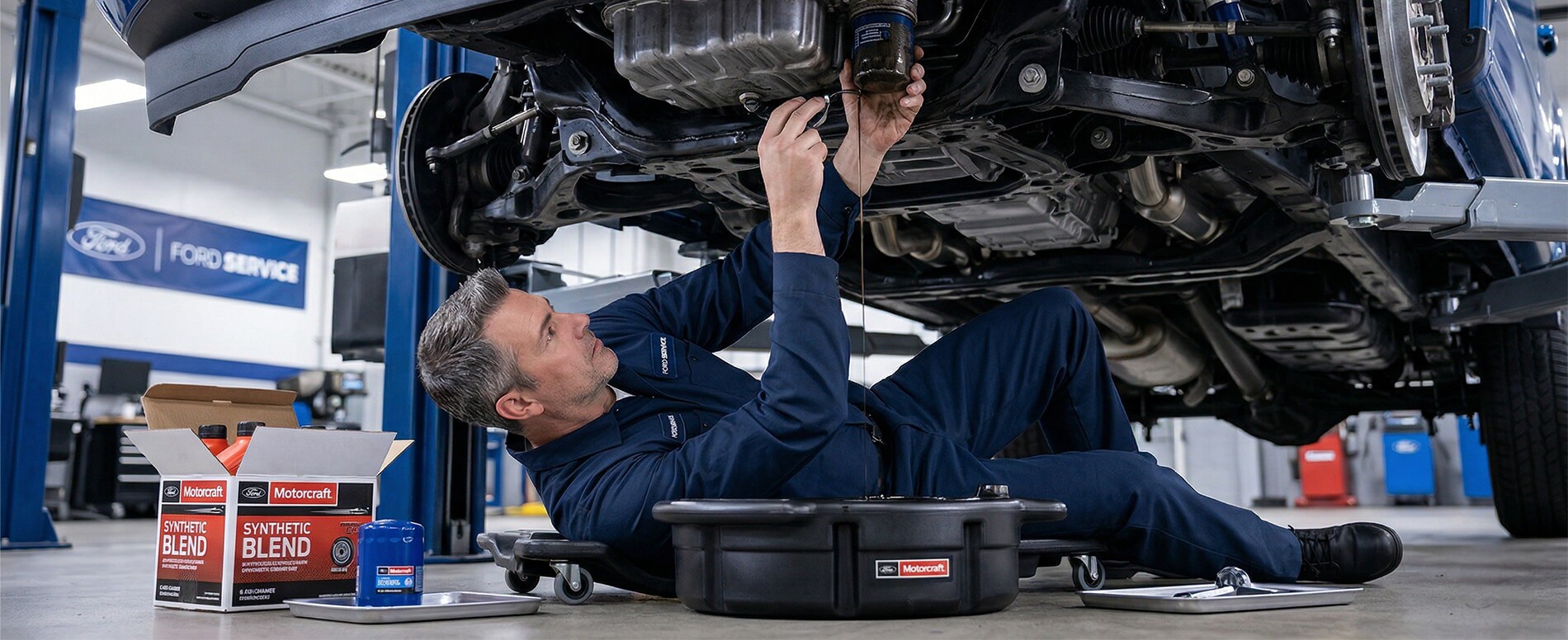
Ford Explorer Oil Change Specifications
The Ford Explorer is one of the most popular three-row SUVs on the road, and regular oil changes are key to keeping its turbocharged engines running at peak performance. Both available engines are EcoBoost powerplants that require full synthetic oil for proper turbo protection and extended engine life.
| Engine | Oil Type | Capacity | Filter | Interval |
|---|---|---|---|---|
| 2.3L EcoBoost I-4 | SAE 5W-30 Full Synthetic | 5.7 quarts | Motorcraft FL-2062 | 7,500 - 10,000 miles |
| 3.0L EcoBoost V6 | SAE 5W-30 Full Synthetic | 6.0 quarts | Motorcraft FL-500S | 7,500 - 10,000 miles |
Engine-Specific Oil Details
2.3L EcoBoost I-4
Oil Type: SAE 5W-30 Full Synthetic
Capacity: 5.7 quarts
Recommended Interval: 7,500 - 10,000 miles
Standard engine on most Explorer trims. Turbocharged four-cylinder requires full synthetic to protect turbo bearings and maintain fuel efficiency.
3.0L EcoBoost V6
Oil Type: SAE 5W-30 Full Synthetic
Capacity: 6.0 quarts
Recommended Interval: 7,500 - 10,000 miles
Twin-turbo V6 found in ST and Platinum trims. Higher output demands consistent synthetic oil changes for turbo longevity.
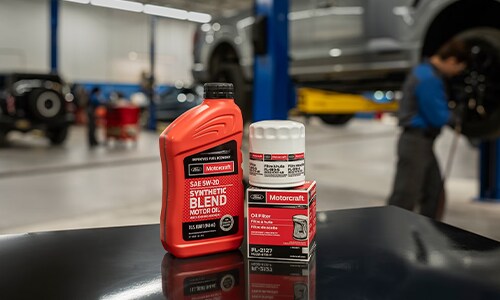

Oil Change Tips for Your Explorer
- Both Explorer engines use the same 5W-30 full synthetic oil, making it straightforward at service time
- The Intelligent Oil-Life Monitor accounts for your driving patterns — mountain driving near Asheville may trigger earlier service alerts
- Explorers used for frequent family road trips and highway cruising typically go the full 10,000-mile interval
- If your Explorer tows a boat or trailer regularly, consider staying closer to the 7,500-mile mark
What's Included in Every Oil Change at Mahon Ford
Every oil change at Mahon Ford includes a comprehensive multi-point inspection performed by Ford-trained technicians. In addition to replacing your oil and filter with OEM-spec parts, we check fluid levels, inspect your battery and terminals, verify tire pressure and condition, and examine brake pad wear. You leave with a complete picture of your vehicle's health — not just fresh oil.
Note on Pricing: Oil change cost varies by engine and oil type. The Explorer requires more oil per change than smaller Ford engines, which affects total cost. Call 828-884-4151 for a precise estimate for your specific vehicle.
Created June 11, 2026 by MM Dealer Advocates