

Ford Transit Oil Change Guide
Oil Types, Capacities & Service Intervals for Every Transit Engine
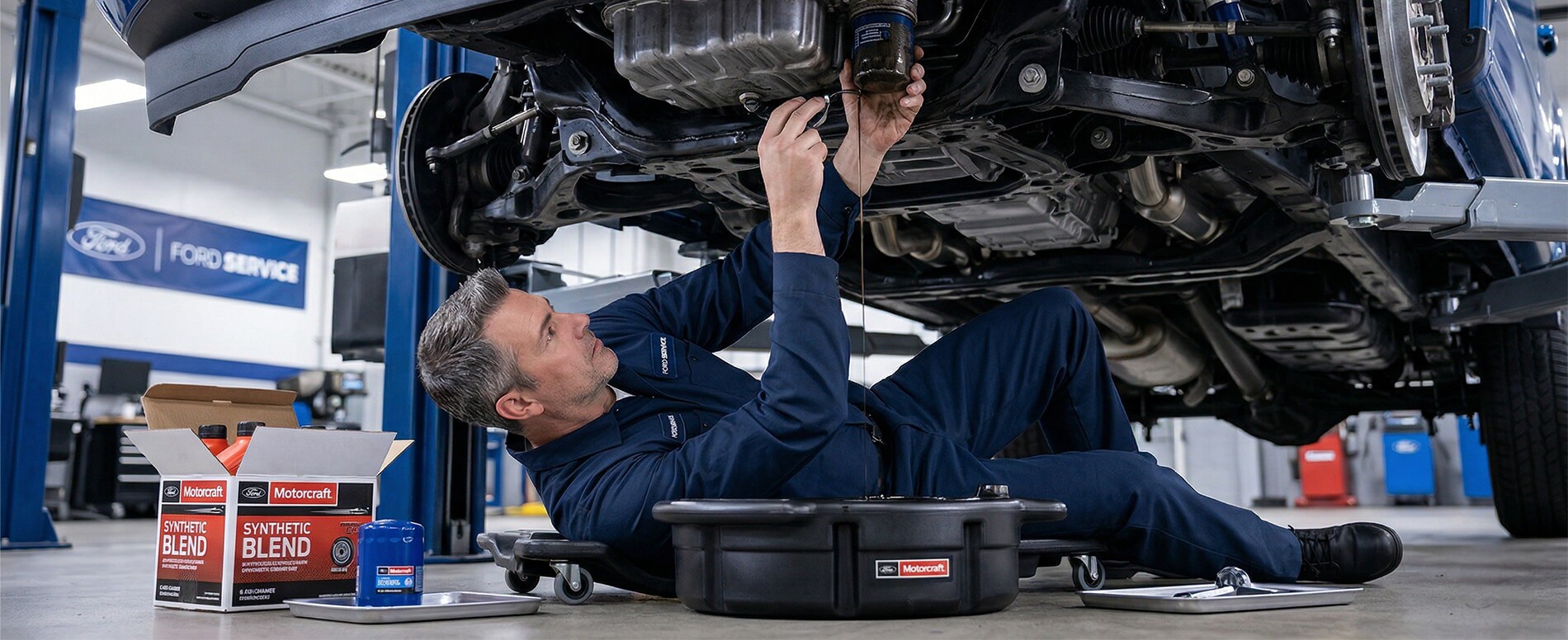
Ford Transit Oil Change Specifications
The Ford Transit is the backbone of commercial fleets and upfit operations, and consistent oil changes are critical to minimizing downtime and maintaining reliability. Whether your Transit is a cargo van, passenger van, or cutaway chassis, the engine oil requirements depend on which 3.5L V6 is under the hood.
| Engine | Oil Type | Capacity | Filter | Interval |
|---|---|---|---|---|
| 3.5L PFI V6 | SAE 5W-30 Full Synthetic | 6.0 quarts | Motorcraft FL-500S | 7,500 - 10,000 miles |
| 3.5L EcoBoost V6 | SAE 5W-30 Full Synthetic | 6.0 quarts | Motorcraft FL-500S | 7,500 - 10,000 miles |
Engine-Specific Oil Details
3.5L PFI V6
Oil Type: SAE 5W-30 Full Synthetic
Capacity: 6.0 quarts
Recommended Interval: 7,500 - 10,000 miles
Port fuel-injected V6 standard on most Transit configurations. Reliable and straightforward to service. Full synthetic recommended for commercial use.
3.5L EcoBoost V6
Oil Type: SAE 5W-30 Full Synthetic
Capacity: 6.0 quarts
Recommended Interval: 7,500 - 10,000 miles
Twin-turbo V6 for heavier-duty applications requiring more power and torque. Turbo protection makes full synthetic essential.
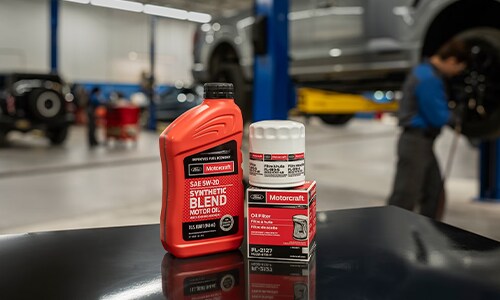

Oil Change Tips for Your Transit
- Commercial fleets should track oil changes by both mileage and time — high-idle delivery vehicles can degrade oil without adding miles
- Both Transit engines use the same 5W-30 synthetic and filter, simplifying fleet maintenance
- Transits in stop-and-go delivery service see more severe oil conditions than highway-driven passenger vans
- If your Transit is an upfit vehicle (ambulance, shuttle, mobile workshop), the additional electrical loads and idle time may warrant shorter intervals
What's Included in Every Oil Change at Mahon Ford
Every oil change at Mahon Ford includes a comprehensive multi-point inspection performed by Ford-trained technicians. In addition to replacing your oil and filter with OEM-spec parts, we check fluid levels, inspect your battery and terminals, verify tire pressure and condition, and examine brake pad wear. You leave with a complete picture of your vehicle's health — not just fresh oil.
Note on Pricing: Oil change cost varies by engine and oil type. The Transit requires more oil per change than smaller Ford engines, which affects total cost. Call 828-884-4151 for a precise estimate for your specific vehicle.
Created June 11, 2026 by MM Dealer Advocates