

Nitrogen Tire Inflation
Superior Pressure Stability for WNC Mountain Driving — Longer-Lasting PSI Through Every Elevation Change
Proudly serving Brevard, Asheville, Hendersonville, Waynesville & Canton NC
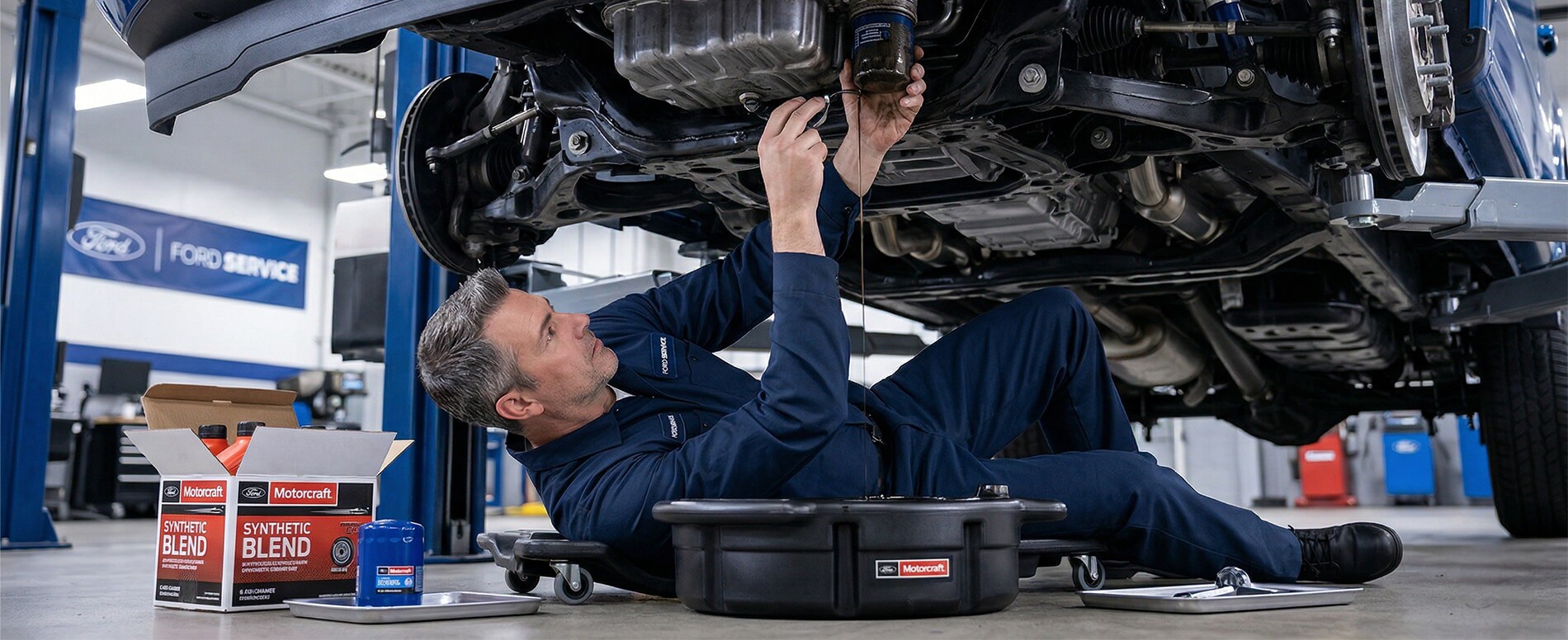
Nitrogen tire inflation replaces the compressed air inside your tires with purified nitrogen gas, delivering measurably more consistent tire pressure over time. For drivers in Western North Carolina, where a single commute can take you from Brevard at 2,200 feet above sea level up through the winding passes of the Blue Ridge Parkway at over 5,000 feet, maintaining accurate tire pressure is not just a matter of comfort — it directly affects handling, braking distance, and fuel economy. At Mahon Ford, our Ford-certified service team provides professional nitrogen inflation for every Ford car, truck, and SUV, giving you one less thing to worry about on the mountain roads of Transylvania County and beyond.
Nitrogen Inflation Benefits
More Stable Tire Pressure
Nitrogen molecules are approximately 4% larger than oxygen molecules, which means they permeate through tire rubber at a significantly slower rate. This translates to more consistent PSI readings week after week, regardless of whether you are parked at your home in Brevard or driving through the high-altitude stretches of US-276 near the Pisgah National Forest entrance. Stable pressure keeps your Ford's ride quality predictable and your tread wearing evenly across the full contact patch.
Slower Pressure Loss
Tires inflated with nitrogen lose pressure three to four times slower than those filled with standard compressed air. Where a conventional air-filled tire might drop 1 to 2 PSI per month under normal conditions, a nitrogen-filled tire typically holds within a fraction of a PSI over the same period. This means fewer trips to top off your tires and a longer window of time at the optimal pressure your Ford was engineered to run, which is especially valuable during seasonal temperature swings in the WNC mountains.
Reduced Wheel Corrosion
Compressed air drawn from an ambient compressor contains moisture and trace amounts of oil vapor, both of which contribute to corrosion on the inner surfaces of your wheels, valve stems, and TPMS sensor housings. Nitrogen is a dry, inert gas that carries virtually no moisture. By eliminating water vapor from inside the tire, nitrogen inflation helps prevent oxidation and pitting on alloy and steel rims alike, extending the service life of your Ford's wheels and reducing the likelihood of slow leaks caused by corroded bead seats.
Ford TPMS Compatibility
Nitrogen works seamlessly with Ford's direct Tire Pressure Monitoring System. Because nitrogen-filled tires experience far less pressure fluctuation from temperature changes, your TPMS sensors report steadier readings throughout the day. This means fewer nuisance alerts on cold WNC mornings when ambient temperatures can swing 30 degrees or more between overnight lows and afternoon highs. Your dashboard stays clear, and when the TPMS light does illuminate, you know it signals a genuine pressure concern that warrants attention.
What's Included in Nitrogen Service
- Complete air purge and vacuum evacuation from all four tires to remove residual oxygen and moisture
- Nitrogen fill to the Ford-specified PSI printed on your driver-side door jamb tire information label
- TPMS sensor verification and signal check to confirm all four sensors communicate correctly with the receiver module
- Tire pressure label inspection to ensure the placard matches your current tire size and load rating
- Valve stem inspection for cracks, swelling, or corrosion that could compromise the nitrogen seal
- Green nitrogen valve caps installed on all four tire stems for easy identification at future service visits
Mountain Driving and Altitude Changes
Western North Carolina presents a unique challenge for tire pressure management. A routine drive from Brevard to Asheville gains and loses hundreds of feet of elevation along US-64 and I-26, while a weekend trip on the Blue Ridge Parkway can take you above 6,000 feet at Richland Balsam. At higher altitudes, the lower atmospheric pressure outside the tire increases the effective pressure differential across the sidewall, and temperature drops of 3 to 5 degrees Fahrenheit per 1,000 feet of elevation gain compound the effect. Nitrogen's thermal stability means your tire pressure stays closer to the target PSI throughout these elevation and temperature swings, giving you more predictable handling on steep grades, sharp switchbacks, and gravel pull-offs where traction matters most.
Why Choose Mahon Ford for Nitrogen Inflation
Mahon Ford sits at the gateway to some of the most demanding driving terrain in the Southeast. Brevard sits at roughly 2,200 feet above sea level, but within an hour of our service center you can reach elevations above 5,000 feet on the Blue Ridge Parkway, descend into the Nantahala Gorge, or climb through the switchbacks of US-276 over the Pisgah Ridge. These rapid altitude changes — combined with WNC's notorious temperature swings that can shift 40 degrees in a single day during spring and fall — put extraordinary demands on tire pressure consistency.
Our Ford-trained technicians understand the specific TPMS calibration requirements for every model in the Ford lineup, from the F-150 and Super Duty trucks that haul heavy loads through mountain grades to the Explorer and Bronco Sport families that spend weekends on forest service roads at altitude. We use dedicated nitrogen generation equipment that delivers 95% or higher purity levels, ensuring you receive the full benefit of nitrogen's stability advantages rather than a diluted mix that some shops provide.
Because we are a full-service Ford dealership, your nitrogen inflation visit also gives our team the opportunity to inspect your tires for uneven wear patterns, check tread depth across all four positions, and verify that your TPMS sensors are functioning within Ford's specifications. It is a straightforward service that pays dividends in tire longevity, fuel efficiency, and peace of mind every time you head into the mountains.
Related Service Pages
Frequently Asked Questions
Can I mix nitrogen and regular air in my Ford's tires?
Yes, you can safely add compressed air to a nitrogen-filled tire if you need to top off pressure in an emergency or between service visits. The two gases are completely compatible and will not cause any chemical reaction or damage to the tire. However, adding regular air introduces oxygen and moisture back into the tire, which gradually reduces the benefits of nitrogen over time. For the best results, we recommend having Mahon Ford perform a full purge-and-refill procedure at your next service appointment to restore the nitrogen purity level and get you back to the slower pressure loss and reduced corrosion advantages that nitrogen provides.
How often do nitrogen-filled tires need to be checked?
Ford recommends checking tire pressure at least once a month regardless of what gas is inside the tire, and we encourage the same habit for nitrogen-filled tires. The difference is that your monthly checks will typically show much smaller deviations from the target PSI. Where air-filled tires might need a top-off every few weeks — especially during the dramatic temperature shifts of a WNC autumn or spring — nitrogen-filled tires often go several months between adjustments. Consistent monitoring remains important, though, because it helps you catch slow leaks from punctures, valve stem issues, or bead seat corrosion early before they become a safety concern on mountain roads.
Is nitrogen inflation worth it for mountain driving?
Nitrogen inflation is especially beneficial for drivers who regularly navigate the elevation and temperature extremes found in Western North Carolina. A standard air-filled tire can fluctuate by 1 PSI for every 10-degree Fahrenheit change in temperature, and the altitude difference between Brevard and the Blue Ridge Parkway's highest points adds further pressure variation. Nitrogen's lower permeation rate and reduced thermal expansion mean your tires stay closer to the manufacturer's recommended PSI throughout these changes, which translates to more predictable braking, more consistent steering response on steep switchbacks, and more even tread wear over the life of the tire. For anyone driving an F-150, Explorer, Bronco, or any other Ford through the mountains on a regular basis, nitrogen inflation is a practical upgrade that delivers real-world benefits.
Mahon Ford — proudly serving Brevard, Asheville, Hendersonville, Waynesville & Canton NC.
Created August 4, 2026 by MM Dealer Advocates